Einblick
Customs Tariff Classification: A Strategic Decision, Not Just a Number
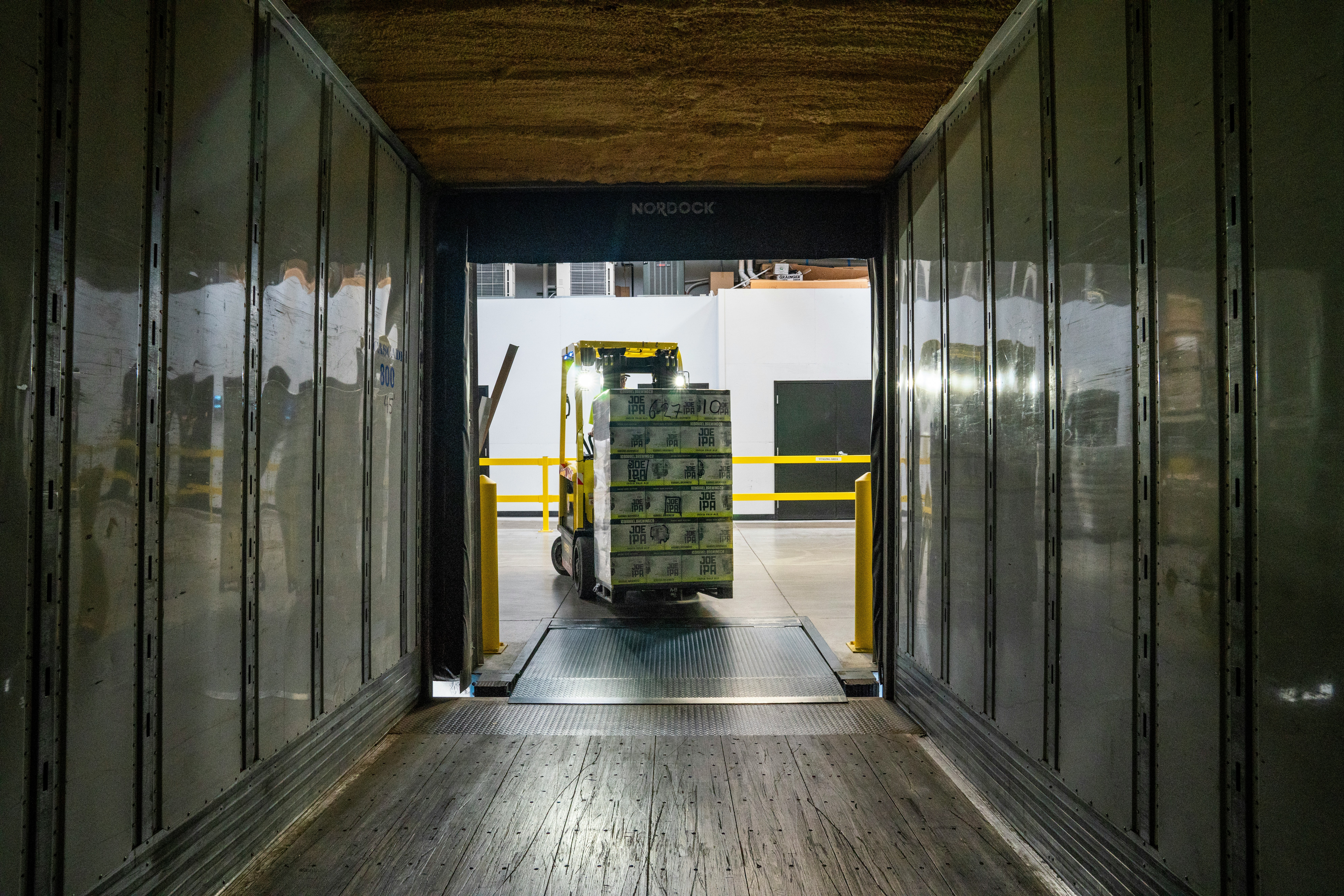
Copyright:Source: Unsplash
Published

traide
info@traide.ai
Introduction: The Biggest Misconception in Customs
In many organizations, customs tariff classification is still viewed as a mere administrative chore: find a number, enter it into the system, and move on.
This mindset is dangerous. The customs tariff classification of a product is not a technical formality; it is a legally binding decision with direct impact on:
Customs duties and taxes
Licensing and reporting requirements
Preferential trade, prohibitions, and restrictions
Audit and liability risks
The scalability of the trade compliance organization
Reducing classification to "assigning numbers" underestimates its strategic importance and exposes the company to unnecessary risks.
Why Every Classification is a Decision
While the process ends with a tariff code, it must always be preceded by a legal evaluation. Classification is an act of interpretation, supported by:
Case Law
The result is a professional and legal determination, not a simple lookup.
The Illusion of Uniqueness
A common fallacy is: "There is exactly one correct tariff code for every product." In practice, product descriptions are often incomplete, and data is scattered across ERP systems and PDFs. This leads to inconsistencies, and that is exactly where the trouble begins.
Why Incorrect Classification is Costly
Classification errors are not trivial. They can trigger:
Retroactive duty payments spanning several years.
Interest on arrears and administrative fines.
Loss of preferential trade benefits.
Increased audit frequency.
Most critically: Customs audits act retroactively. A structural error multiplies across your entire product portfolio and timeline.
Justifications are Mandatory
Many companies document the code but fail to document the reasoning behind it. In an audit, this justification determines whether a decision is accepted or classified as negligent. Modern auditors expect traceable decision paths and consistent argumentation. Without traceability, a classification becomes a risk, even if the number happens to be "correct."
Classification as Part of Trade Governance
Leading companies treat classification as a core part of their Governance. This means:
Clear responsibilities.
Defined decision logics.
Centralized, audited data management.
Where AI Delivers Real Value Today
Artificial Intelligence does not replace responsibility; it professionalizes the decision-making process. At traide, our focus is on:
Accelerating classification while making justifications transparent.
Harmonizing decisions across global departments.
Audit-secure storage in one central system.
This transforms classification into a process that is audit-proof and independent of individual knowledge siloes.
Conclusion: Future-Proof Your Customs Department
Classification is a strategic decision with legal and economic weight. Companies that embrace this reduce risk, gain control, and scale their operations cleanly.
Free Product Data Quality Check
How reliable is your product data, and can your classification decisions actually withstand a customs audit?