
News
Insights, tips, and industry updates for successful customs processes!

Einblick
Product Feature Update: Website URLs & images now in mass customs classification
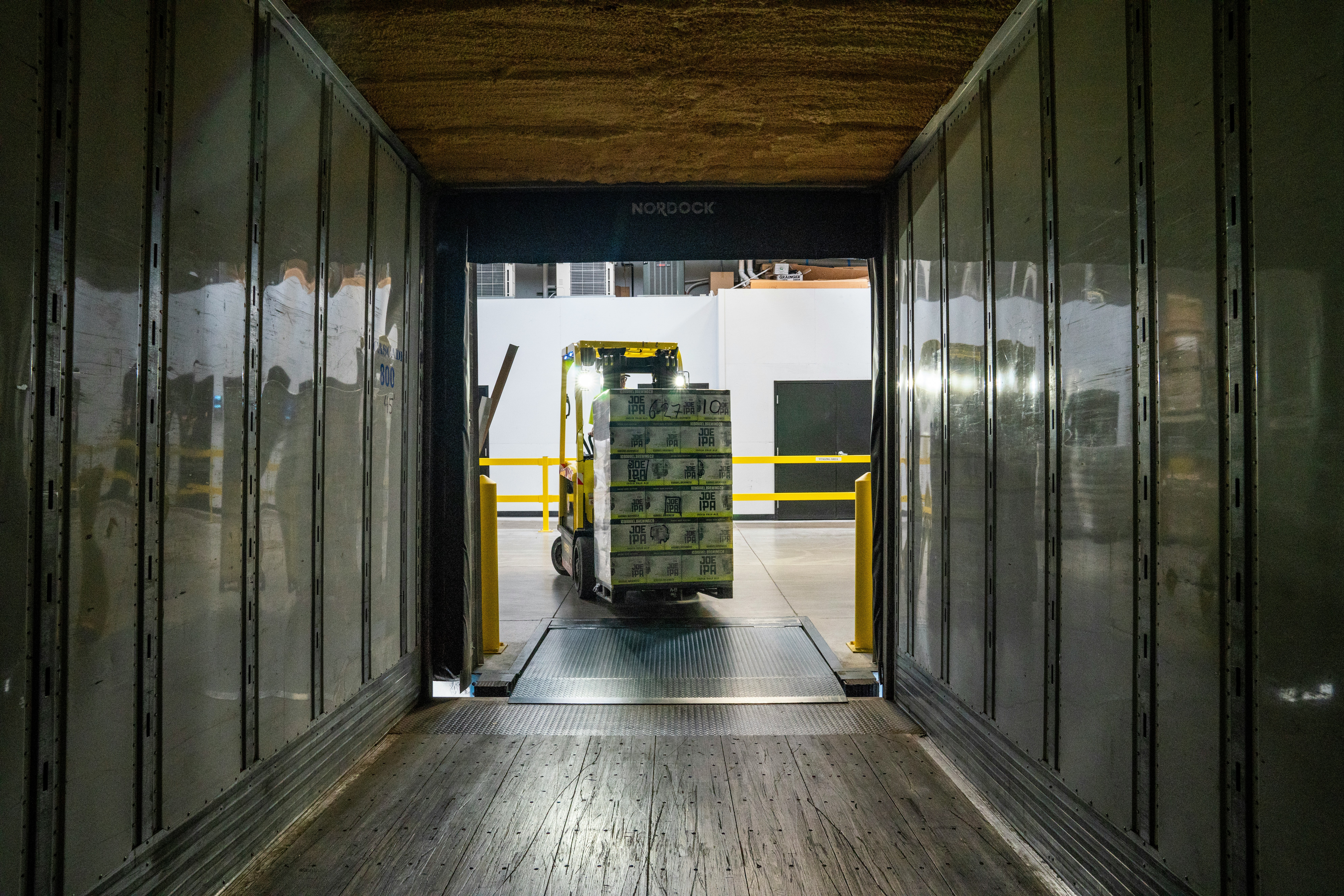
Product data seldom come in perfect form – from now on, our AI directly inputs website URLs and image URLs into bulk customs classification.
Einblick
Customs Tariff Classification: A Strategic Decision, Not Just a Number
top viewing tariff codes as a chore. Learn why customs classification is a strategic decision that affects your liability, costs, and audit safety.

Einblick
EU Deforestation Regulation (EUDR): Which goods are affected – and which are not?
The EU Deforestation Regulation (EUDR) applies to beef, cocoa, coffee, palm oil, natural rubber, soy, and wood, as well as products made from these raw materials, if they consist of, contain, are fed with, or are manufactured from these substances. Products made from synthetic rubber, paper from 100% recycled fibers, bamboo, rattan, and food containing a minimal proportion of the relevant raw materials are not affected.

Einblick
What is a customs tariff number?
The customs tariff number is an internationally standardized numerical code that uniquely classifies goods and thus forms the basis for customs handling. It affects duties, taxes, trade regulations, and statistical recordings and is essential for compliance with legal requirements in foreign trade. Incorrect customs classifications can lead to delays, financial disadvantages, and legal consequences.

Einblick
"Rules of the Customs Tariff": The General Rules for the Interpretation of the Harmonized System
The General Rules for the Interpretation (GRI) of the Harmonized System govern the legally binding customs classification of goods on an international level and serve as 'rules of the game' for uniform application. They comprise six systematically structured rules, ranging from the wording of the headings to the so-called 'last-resort rule,' allowing for a legally sound and comprehensible customs classification.
Einblick
US tariffs on "parts of automobiles" from May 3, 2025: Affected customs tariff numbers and how to delineate correctly
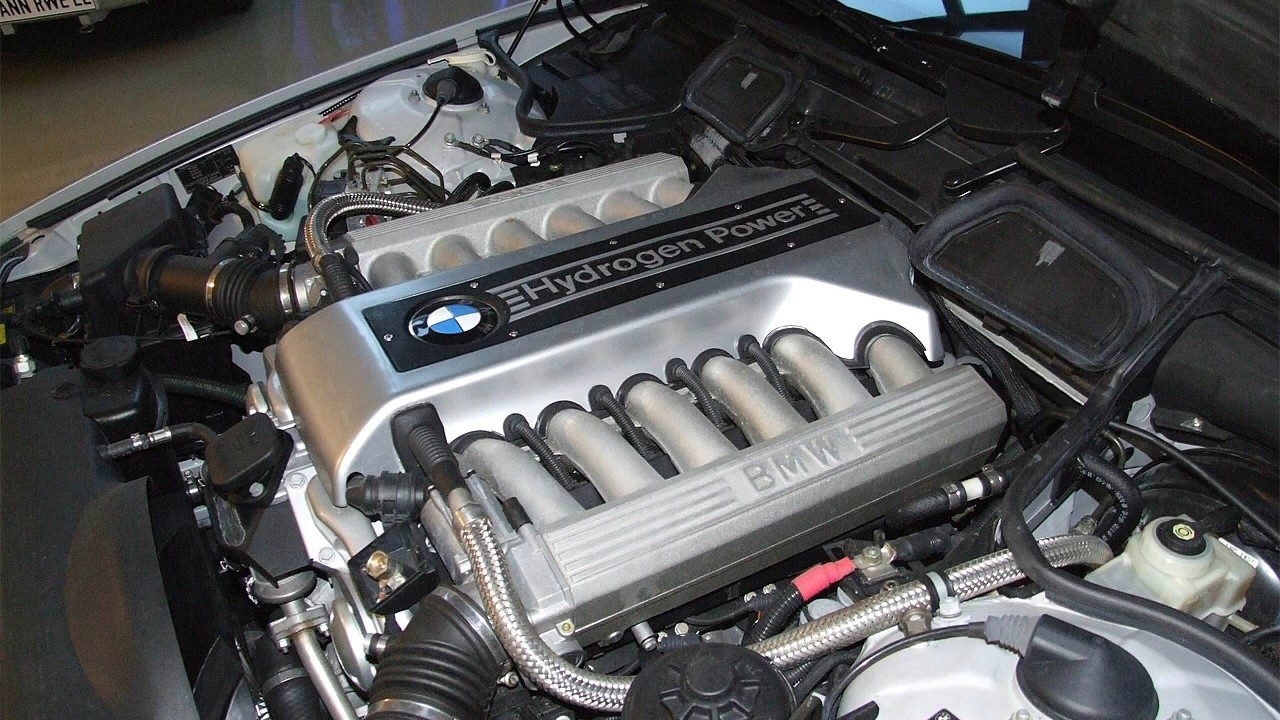
Starting May 3, 2025, the USA will impose comprehensive special tariffs under Section 232 on numerous vehicle parts, machinery components, and electronic parts with an additional duty rate of 25%. Affected companies should carefully review their HTS codes, utilize potential USMCA exemptions, and adjust their customs strategy accordingly to avoid additional costs.

Einblick
Smartphones, Routers & Co.: Who can breathe a sigh of relief with the new exceptions to the 'US reciprocal tariffs' – and who cannot
In the USA, new tariff exemptions for certain products under heading 8517 will apply from April 11, 2025, particularly for smartphones (8517.13.00) and networking devices (8517.62.00). The key criterion for the exemption is that the product must independently perform communication functions; however, many accessories and devices with a different primary function remain subject to the US reciprocal tariffs.

Einblick
"US Reciprocal Tariffs": What Annex II actually excludes—and what it does not
Annex II of the US 'Reciprocal Tariffs' indeed lists customs tariff numbers as exceptions, but it does not guarantee a general exemption, as many headings are restricted by HS Notes and explanatory notes. Therefore, a precise customs tariff examination of each product is essential to avoid misclassifications and unexpected duties.

Einblick
US Tariffs from April 2025: What the New 'Reciprocal Tariff' Policy Means for Importers
Starting April 2025, the USA will impose additional tariffs of at least 10% on nearly all imports, with higher rates applicable for countries with a high trade surplus. Exceptions, such as for certain product groups or when the US-origin content is at least 20%, are thoroughly regulated and require precise customs classification and origin documentation.

Einblick
Delivered disassembled – classified as a whole: Customs classification of complex systems according to General Rule 2a of the Harmonized System
The customs classification of delivered machines is determined according to GRI 2a and is carried out as with complete goods when the parts belong together and are intended for assembly. This not only impacts customs clearance but also affects the determination of origin, as only a uniform customs classification allows for accurate determination of preferential origin.